Cat behaviour
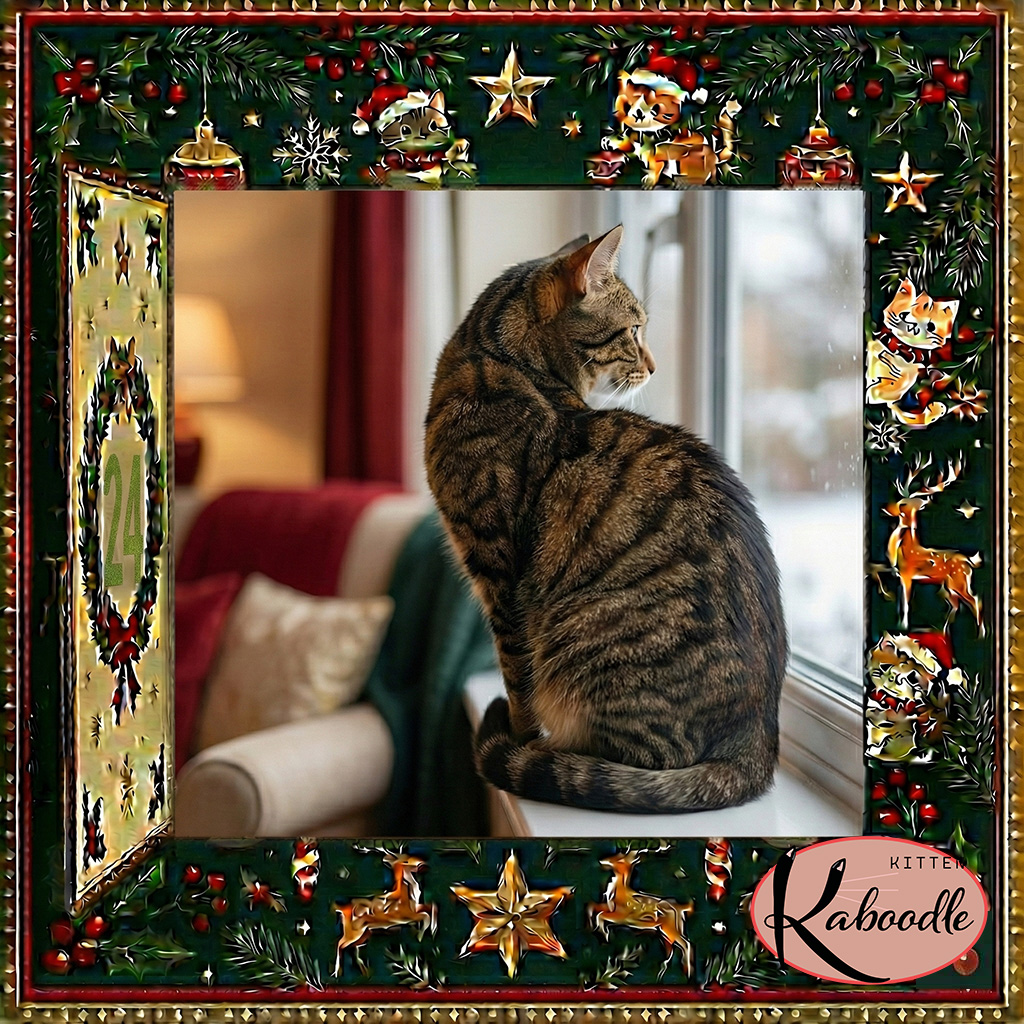
Short answer: When your cat sits with their back to you, they are usually showing trust, comfort, and confidence in your presence. By turning away, they place their vulnerable rear and flanks where they would not if they felt unsafe. Sometimes they also sit facing doors or windows so they can monitor the environment while still choosing to be close to you.
Written by Paul Denman, Cat Welfare Writer at Kitten Kaboodle
This guide provides general information and is not a substitute for veterinary advice.
Key points at a glance
- Sitting with their back to you is often a sign of trust, not rudeness.
- Cats may face doors or windows to keep watch while resting near you.
- Your cat might be balancing their need for closeness with a desire for calm.
- Body language around the posture tells you how relaxed they feel.
- Only if paired with tension or avoidance is it likely to signal discomfort.
Trusting you with their vulnerable side
A cat’s back, flanks, and hindquarters are vulnerable areas. Turning these towards someone is a strong sign that they do not expect to be attacked or grabbed.
When your cat chooses to sit with their back to you, they are quietly saying, “I feel safe enough to stop watching you and look elsewhere for a while.”
Guarding the room while staying close
Cats like to keep track of movement in their environment. Sitting facing a door, corridor, or window lets them monitor what might enter their space.
If they do this while positioned right in front of you on the sofa, bed, or desk, they are combining two needs:
- being near you for security and social comfort, and
- keeping watch over the wider environment.
Balancing togetherness and personal space
Cats are social in their own way, but they also value choice and control over contact. Sitting with their back to you lets them be “with” you without feeling pressured to interact.
For many cats, simply sharing a space is as meaningful as being stroked or spoken to.
Body language that shows comfort
The posture itself is only one part of the picture. Look at:
- ear position,
- tail movement,
- muscle tension,
- breathing rate.
A relaxed cat will have loose muscles, a gently resting tail, and ears that are upright or softly angled, not flattened.
When turning away might signal discomfort
Occasionally, a cat may turn their back as part of avoiding interaction they find uncomfortable. This is more likely if you also see:
- ears turned sideways or flattened,
- tail twitching sharply,
- repeated moving away when you try to touch them,
- hiding or reluctance to be in the same room.
In these cases, respecting their space and considering what might be worrying them is important.
Why your cat might avoid eye contact
Direct staring can feel intense in cat communication. Turning away or sitting side by side can be more comfortable for them than prolonged face to face contact.
In that sense, sitting with their back to you can be a way of reducing social pressure while staying near someone they like.
How to respond when your cat sits with their back to you
In most cases, there is nothing you need to fix. You can:
- enjoy the quiet sign of trust,
- offer a soft word or slow blink,
- gently reach out for a brief stroke if they normally enjoy touch,
- or simply share the space in peaceful silence.
Let your cat decide whether the moment calls for contact or calm companionship.
More Advent Calendar questions
A turned back is just one small part of feline body language. Continue your festive Advent journey with these entries:
- Why do cats purr?
- Why does my cat chirp at birds?
- Why does my cat knead me?
- Why does my cat follow me to the toilet?
- Why does my cat stare at me?
- Why does my cat sleep on my head?
- Why does my cat suddenly run around at night?
- Why do cats love boxes so much?
- Do cats recognise their names?
- Why does my cat bring me gifts?
- What does my cat’s tail actually mean?
- Why does my cat sit on my laptop?
- Why do some cats chirrup instead of meow?
- Does my cat love me?
- Why does my cat sunbathe in the warmest spot?
- Why do cats get the zoomies?
- Why does my cat follow me everywhere?
- Why does my cat roll over and show their belly?
- Why does my cat knock things off tables?
- What makes cats obsessed with laser toys?
- Why do cats squeeze into tiny spaces?
- Why does my cat groom me?
- Why do cats love climbing to high places?
Frequently asked “back to me” questions
- Is my cat being rude when they sit with their back to me?
- No. Cats do not follow human rules of politeness. Turning their back usually means they feel safe enough not to watch you closely.
- Why does my cat sit facing the door instead of facing me?
- Your cat is likely monitoring the environment for changes while still choosing to sit near you. It is a mix of vigilance and companionship.
- Should I worry if my cat often turns away?
- Not if the rest of their body language is relaxed and they still seek you out. Only if they also hide, avoid contact, or seem tense is it worth exploring potential stress or pain with a vet or behaviourist.
Does your cat present you with a calm little back and twitching ears?
Continue your Advent journey through our Articles section,
and tell us how your feline friend likes to share quiet time with you.
🐾 Here is to shared spaces, gentle trust, and the quiet comfort of simply being together. 🐾