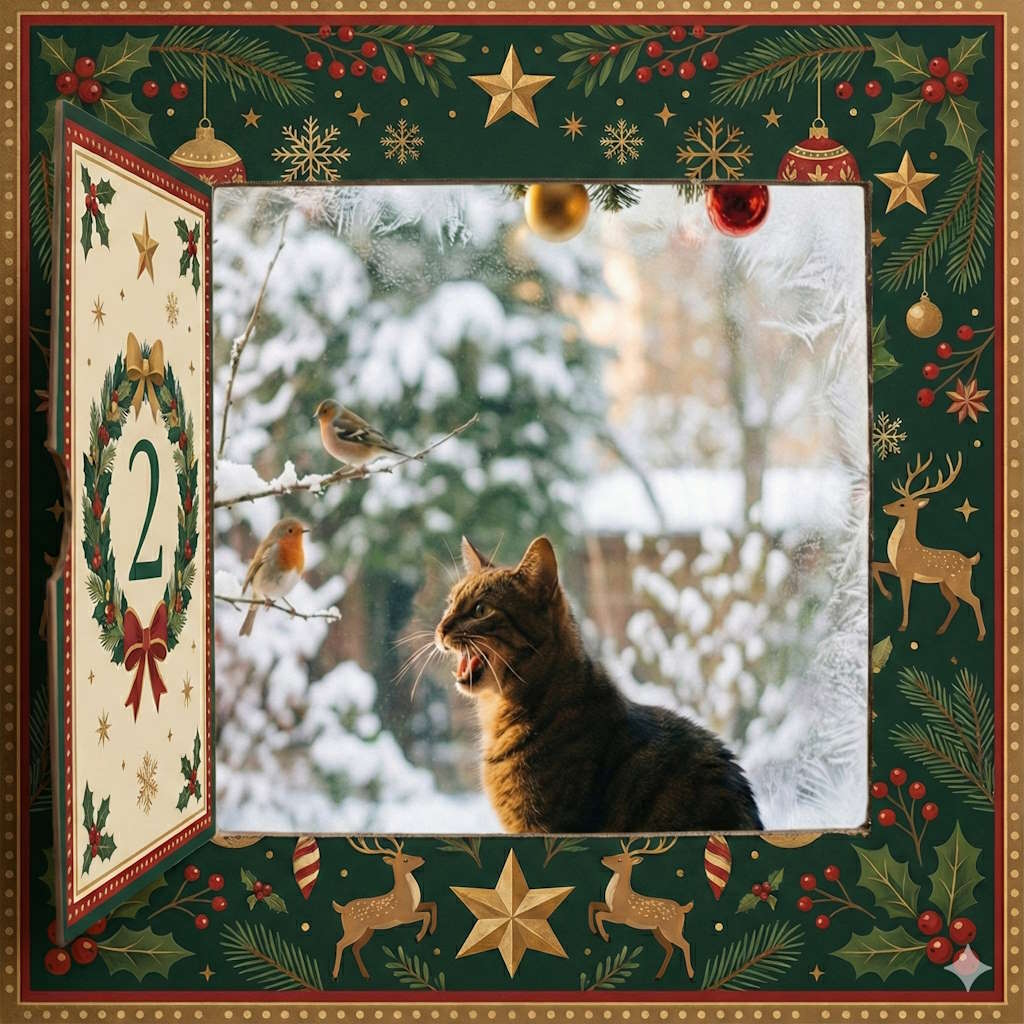
Cat behaviour
Short answer: Cats chirp at birds when their hunting instincts are fully switched on. The sound is a mix of excitement, intense focus, and instinctive preparation for a pounce, and it may even echo the tiny jaw movements they would use when delivering a rapid kill bite.
Written by Paul Denman, Cat Welfare Writer at Kitten Kaboodle
This guide offers general information and is not a substitute for veterinary advice.
Key points at a glance
- Chirping is usually a prey focused sound that appears when a cat can see birds or small animals they cannot reach.
- The noise often includes a short trill or chatter and may be linked to automatic jaw movements used in hunting.
- Cats can chirp out of excitement, mild frustration, or a mix of both, but it is rarely a sign of distress on its own.
- Body language gives important context: a loose body and forward ears usually suggest positive engagement.
- You can support your little bird watcher with safe, indoor hunting games and a comfortable viewing spot.
What is that strange chirping sound?
If you have ever found your cat frozen at the window, eyes wide, tail twitching, and making a soft stuttering noise at the birds, you have heard chirping. It sounds very different from a classic meow. Chirps are usually short, bright notes that can slide into a rapid chattering or clicking sound.
Behaviourists describe chirping as a prey driven vocalisation. It tends to appear in situations where a cat is highly interested in something that looks and moves like prey, such as garden birds, squirrels, or even insects on the glass. Many cats reserve this sound for those moments alone, which is why it often surprises people the first time they hear it.
How chirping fits into your cat’s hunting programme
While purring is created by rhythmic movement of the laryngeal muscles, chirping seems to involve a different pattern of movement around the mouth and jaw. When a cat chatters at birds, you may notice their jaw trembling very quickly, without fully opening and closing as it would in a normal meow.
One leading theory is that this movement is a partial rehearsal of the rapid bite cats use when they catch and dispatch small prey. In the wild, speed matters. Once a cat has caught a small bird or rodent, they need to deliver an effective bite very quickly. The chattering movement may be an instinctive motor pattern that is triggered by the sight and sound of potential prey.
Even if your cat has never hunted outdoors, the underlying programme is still there. Domestic life changes how often those instincts are used, but it does not remove them.
Why cats chirp specifically at birds and small animals
Birds are almost perfectly designed to catch a cat’s attention. They move quickly, they take off and land unpredictably, and they often make high pitched sounds. All of this sits right in the sweet spot of a cat’s visual and auditory sensitivity.
When your cat chirps at birds, several things are happening at once:
- Visual lock on: their eyes track even small movements on branches, fences, and feeders.
- Auditory focus: they listen for wing beats, calls, and rustling leaves.
- Motor preparation: muscles tense, tail may twitch, and jaw patterns associated with hunting are activated.
The chirp itself is likely part of that motor response. It is not a call to the bird and it is not an attempt at conversation. It is your cat’s body preparing to do what it evolved to do, even if there is a pane of glass and a comfortable sofa between them and the outside world.
Is my cat frustrated when they chirp at the window?
Many guardians worry that chirping means their cat is frustrated or unhappy because they cannot get to the birds. There is often a hint of frustration in the mix, but it usually sits alongside excitement and curiosity instead of serious distress.
To understand the emotional tone, look at the whole picture:
- Relaxed but alert body: ears forward, whiskers pointing towards the birds, tail gently twitching. This usually suggests positive arousal and engagement.
- Tense posture with flattened ears: this may indicate a higher level of frustration or anxiety, especially if the cat moves away and seems unsettled afterwards.
Occasional chirping with relaxed body language is a healthy way for indoor cats to experience the outside world. It becomes more of a concern if a cat seems unable to settle, redirects frustration onto other pets, or begins to show more stress related behaviours elsewhere in the home.
When chirping might be a sign to look closer
Most chirping is harmless, but it is sensible to pause and take a closer look if anything about the sound or body language feels different for your cat. Sudden changes in vocal patterns can occasionally reflect discomfort or stress.
Contact your vet for advice if you notice:
- New breathing noises, coughing, or open mouthed breathing alongside the chirping.
- Loss of interest in usual activities, hiding, or changes in appetite.
- Vocal changes in combination with other signs of illness or pain.
As with purring, the same sound can appear in more than one context. It is the overall pattern, and your knowledge of your own cat, that gives the clearest clues about what is going on.
How to support your little bird watcher
Chirping is a useful reminder that even the softest lap cat still has a hunter’s brain. You can use that insight to shape enrichment that feels satisfying without putting local wildlife at risk.
- Offer hunting style play indoors: use feather wands, flying toys on strings, or small soft toys that you move like prey. Let your cat stalk, chase, catch, and “win” at the end of the game.
- Create a safe viewing station: a sturdy window perch or cat tree near the glass gives them a comfortable base for bird watching, without needing to balance on radiators or sills.
- Rotate visual enrichment: if you live in a quieter area, you might add a bird feeder at a safe distance from any outdoor cats. In other homes, short sessions of “cat TV” videos can offer a similar experience on screen.
- Keep a gentle routine: many cats enjoy a short play session after a burst of chirping. This can help them release any extra energy and settle more easily afterwards.
By channelling hunting instincts into play, you support both their physical health and emotional wellbeing, all from the safety of your living room.
More Advent Calendar questions
Following you to the toilet is just one way cats stay close and express their social side. You might also enjoy these Advent entries:
Frequently asked chirping questions
- Why does my cat chirp only at the window and not anywhere else?
- Chirping is closely tied to prey viewing. Most cats save it for moments when they can see birds or small animals moving at a distance, which is why it is so common at windows and patio doors.
- Is my cat talking to the birds when they chirp?
- It can look that way, but the chirp is more likely part of an automatic hunting pattern than an attempt at conversation. Your cat is responding to the sight and sound of prey, rather than trying to send the birds a message.
- Can indoor cats be happy if they only ever chirp from inside?
- Yes. With safe views of the outside world, regular play that mimics hunting, and a secure home environment, indoor cats can live rich and satisfying lives, chirps and all.
Enjoy following your cat’s bird watching adventures?
Explore more Advent Calendar answers in our Articles section,
and tell us about your own chirping, chattering cats on social media.
🐾 Let’s celebrate curious whiskers and window wildlife together. 🐾