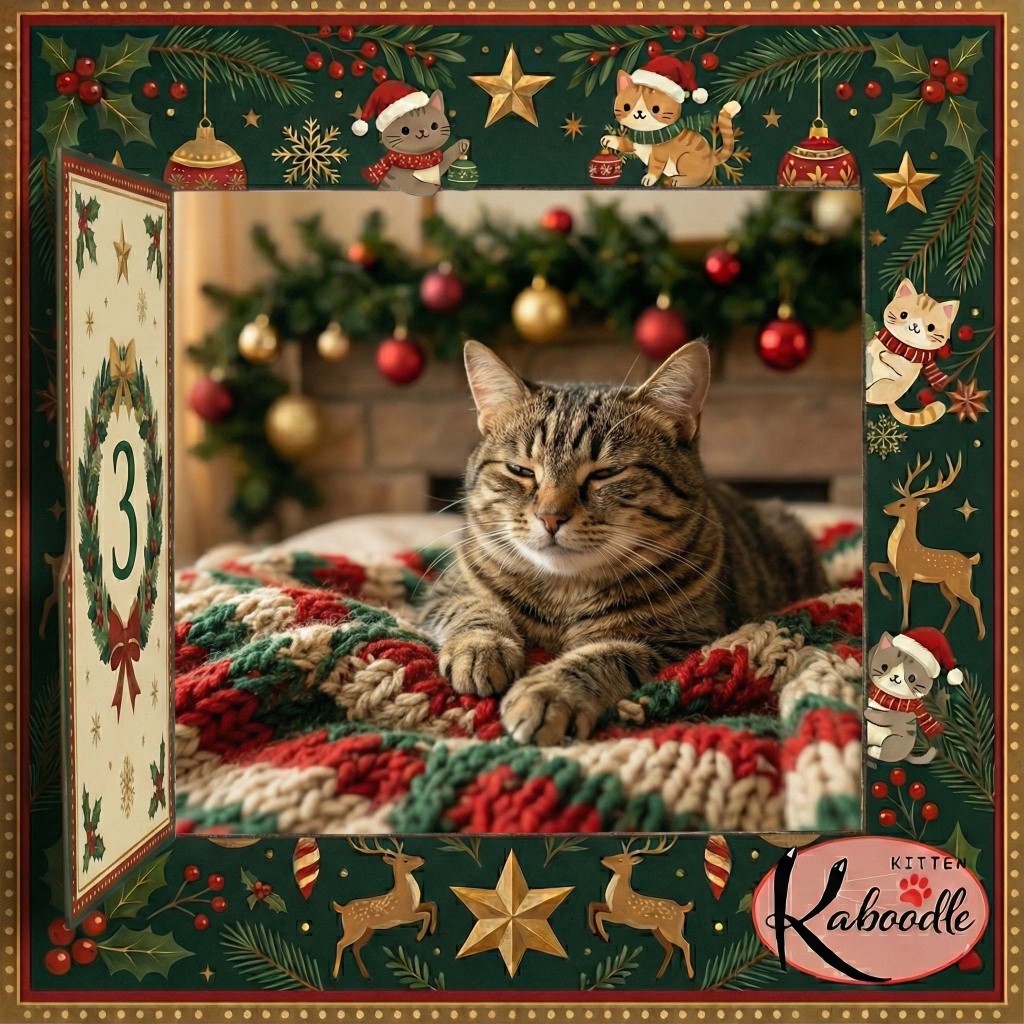
Cat behaviour
Short answer: Cats knead people and blankets because the behaviour starts in kittenhood during feeding and becomes a lifelong comfort habit. It can signal relaxation, affection, and a sense of safety, although some cats also knead when they are anxious and trying to soothe themselves.
Written by Paul Denman, Cat Welfare Writer at Kitten Kaboodle
This guide offers general information and is not a substitute for veterinary advice.
Key points at a glance
- Kneading begins in kittenhood when kittens press their paws against their mother’s belly to help stimulate milk flow.
- Many adult cats keep kneading as a self soothing behaviour when they feel relaxed, sleepy, or closely bonded to a person.
- Kneading on you is usually a sign that your cat associates you with safety and comfort.
- Some cats knead when they are unsettled or anxious, so body language and context are important.
- You can protect your skin and still respond kindly by using blankets, redirecting gently, and watching for signs that your cat has had enough contact.
What does “kneading” actually look like?
Kneading is the characteristic motion cats make when they push their paws in and out against a soft surface, one paw at a time. It can look very much like they are working dough, which explains the nickname “making biscuits”.
You might notice your cat kneading:
- On your lap when they are settling for a nap.
- On blankets, cushions, or soft clothing.
- On other cats they are friendly with.
Many cats combine kneading with purring, slow blinking, or drooling a little. All of these are typical signs of deep relaxation and emotional comfort.
How kneading starts in kittenhood
To understand why kneading feels so important to many adult cats, it helps to look back at their earliest days. Newborn kittens knead their mother’s belly during nursing. The rhythmic pressure helps stimulate milk flow, and the whole experience is associated with warmth, scent, and security.
Over time, the movement becomes strongly linked to that feeling of comfort. Even after kittens wean and move on to solid food, the motor pattern remains in their behavioural toolkit. When they encounter a similar context later in life such as a soft surface, warmth, and a trusted companion the kneading pattern often appears automatically.
This is one reason kneading can look very kitten like. It is a behaviour that carries a powerful emotional memory of being fed, safe, and cared for.
Why your cat chooses to knead on you
When your cat climbs onto your lap, purrs, and begins to knead, it can feel both flattering and a little painful. From your cat’s point of view, you are providing a mixture of elements that strongly resemble that early kitten experience:
- Warmth: your body heat and clothing.
- Softness: clothes, blankets, or a cushion on your lap.
- Scent and familiarity: the smell they associate with their home base.
Many behaviourists interpret kneading on people as a sign of trust and social bonding. Your cat feels safe enough to relax into a vulnerable, kitten like state in your presence. In multi cat households, you might also see bonded cats knead on each other during grooming or group naps, which supports the idea that kneading is linked to closeness and comfort.
Other reasons cats knead
While comfort and affection are the most common explanations, kneading can have other functions too.
- Marking scent: cats have scent glands in their paws. Kneading on you or on a favourite blanket may leave subtle scent markers that tell them “this is mine and this feels safe”.
- Preparing a resting spot: in the wild, pressing down grasses or leaves before lying down can make a smoother, safer bed. Kneading blankets or cushions may be a remnant of that instinct.
- Self soothing: some cats knead when they are unsure, anxious, or recovering from a scare. The familiar movement may help them calm down in much the same way that humans might fidget or take slow breaths.
As with purring and chirping, the same behaviour can appear in more than one emotional context. The surrounding body language helps you tell which explanation fits best for your cat in that moment.
Is kneading always a good sign?
In most households, kneading is a positive behaviour. A cat that climbs onto a trusted person, kneads slowly, purrs, and then falls asleep is clearly using the behaviour as relaxation and connection.
However, it is worth looking more closely if:
- Your cat kneads in a tense way, with wide eyes or a stiff body.
- Kneading is accompanied by repetitive sucking or chewing on fabric.
- Your cat seems unable to settle and becomes agitated if interrupted.
In some cases, intense kneading and fabric sucking can point to early weaning, stress, or an underlying anxiety issue. If you are concerned, talk to your vet for guidance. They may refer you to a qualified behaviour professional who can help assess what is going on in a kind, evidence based way.
What if kneading hurts or damages clothing?
As lovely as the sentiment is, kneading can be uncomfortable when claws are involved. Some cats press firmly, dig their claws in, and even shift their weight back and forth as they work. Thick blankets and jeans may cope just fine. Bare skin often does not.
The good news is that you can protect yourself without rejecting your cat’s affection. A few simple adjustments usually help:
- Use a “kneading blanket”: keep a soft blanket or folded towel nearby. When you see kneading starting, gently slide it between your cat and your lap.
- Trim claws regularly: routine claw trims can take the sharpness off the tips, making kneading more comfortable for everyone.
- Adjust your position, not your cat’s feelings: if you need to move, lift your cat slowly with two hands and reposition them rather than pushing them away.
If your cat reacts badly to having their paws handled, work on gradual desensitisation with rewards, or ask your vet or nurse team for help with claw trims.
How to respond kindly when your cat kneads you
The way you respond to kneading can either deepen your bond or leave your cat confused. From their point of view, they are sharing a very vulnerable behaviour rooted in kittenhood. A calm, gentle response helps them feel understood and safe.
Try:
- Offering quiet praise or a soft voice while they knead.
- Using slow blinks and relaxed posture to show you are comfortable.
- Redirecting claws onto a blanket without scolding if it hurts.
Over time, many cats learn that kneading on a specific blanket or cushion is rewarding and comfortable for both of you. You still get the closeness. They still get to enjoy their favourite comfort ritual.
More Advent Calendar questions
Following you to the toilet is just one way cats stay close and express their social side. You might also enjoy these Advent entries:
Frequently asked kneading questions
- Why does my cat knead me and then fall asleep?
- This is a classic comfort pattern. Your cat is using kneading as a way to settle, much like they did while nursing as a kitten. Once they feel secure and cosy, sleep follows naturally.
- Why does my cat knead and bite blankets?
- Kneading and sucking or biting on fabric can be another version of the kitten feeding pattern. Some cats keep this behaviour into adulthood, especially if they were weaned early or use it as a strong self soothing strategy. If it feels excessive or distressing, speak to your vet for advice.
- How can I stop my cat kneading when it hurts?
- Rather than stopping kneading completely, it is kinder to redirect it. Offer a designated kneading blanket on your lap, keep claws trimmed, and gently move your cat if you need to change position. Over time, most cats happily transfer the behaviour onto the softer, safer surface.
Love exploring the meaning behind your cat’s quirks?
Continue your Advent journey through our Articles section,
and share your sweetest kneading stories with us on social media.
🐾 Let’s celebrate soft paws, warm laps, and trusted bonds together. 🐾