Cat behaviour
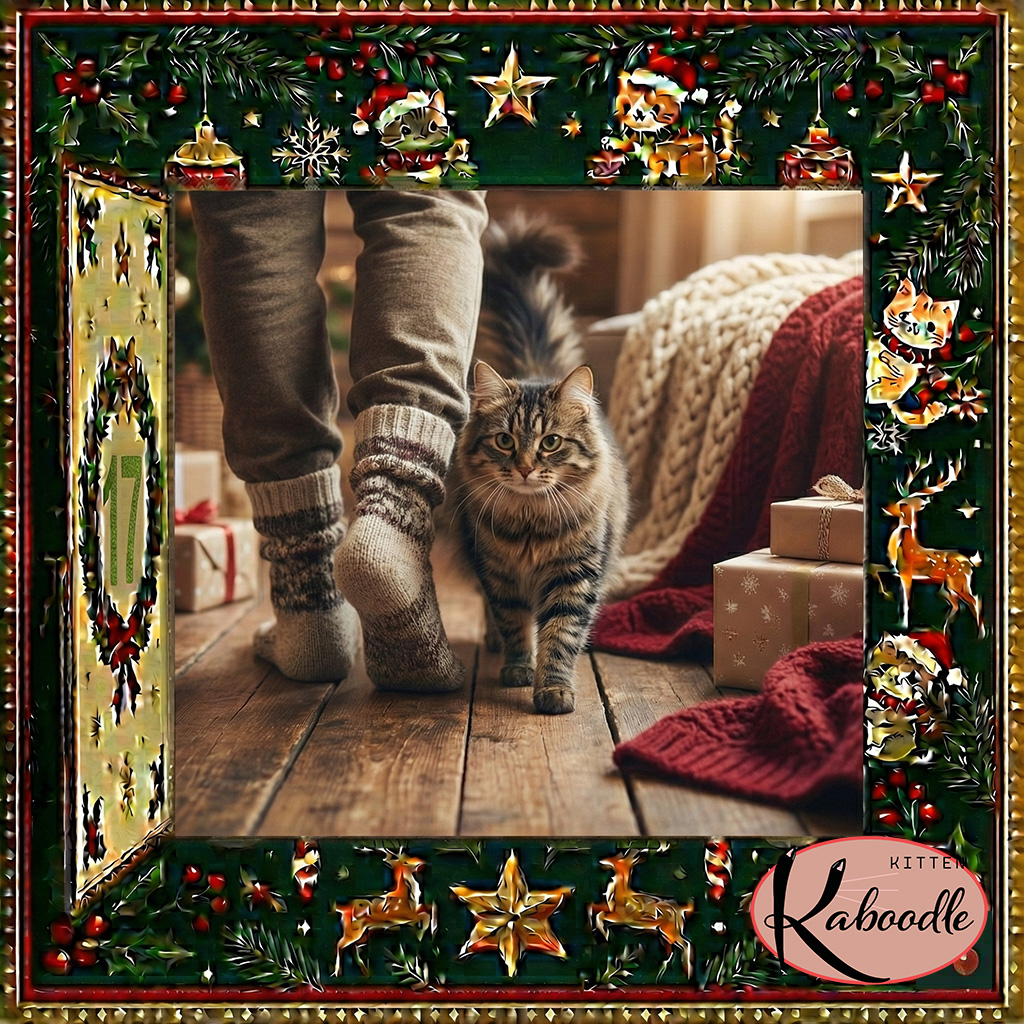
Short answer: Cats follow their humans because they feel safe with them, enjoy companionship, expect interactions such as food or play, or simply want to stay involved in whatever is happening. Following can also reflect routine, curiosity, and attachment, especially in well bonded cats.
Written by Paul Denman, Cat Welfare Writer at Kitten Kaboodle
This guide provides general information and is not a substitute for veterinary advice.
Key points at a glance
- Cats often follow the people they trust most.
- Following can be a social behaviour rooted in companionship.
- Routine, anticipation, and learned associations play a major role.
- Cats use following to communicate needs or simply stay involved.
- Sudden clinginess can indicate stress or insecurity.
Attachment and social bonding
Many cats form strong social attachments to their guardians. They enjoy being close, watching your activities, and moving alongside you as part of their daily routine.
Following is a gentle expression of trust. When your cat chooses to stay near you, they are signalling that your presence feels safe and familiar.
Following as a communication tool
Cats do not always vocalise when they need something. Often they communicate through body language and positioning.
Following may be your cat’s way of telling you:
- It is feeding time.
- They want a door opened.
- They would like attention or play.
- They need reassurance.
The context and their body language usually reveal the message.
Routine and learned associations
Cats are highly sensitive to patterns. If following you to the kitchen often results in food, or following you to the sofa results in cuddles, they learn that shadowing you is rewarding.
They may even predict your movements, appearing at your feet before you realise where you are going next.
Curiosity drives a lot of following
Cats like to know what is happening in their territory at all times. When their favourite human moves from one room to another, they may feel compelled to investigate.
This is especially true for cats who dislike closed doors or uncertainty about activity in nearby rooms.
Some cats act as social companions
Many cats enjoy quiet companionship. They follow you, settle nearby, then relax while you go about your tasks.
This behaviour mirrors how bonded cats may shadow one another or rest together in multi cat households.
When following signals stress or insecurity
Although following is usually positive, some patterns may reflect anxiety or a change in emotional wellbeing.
Contact your vet if you notice:
- Sudden clinginess after a major life event.
- Following accompanied by crying, pacing, or restlessness.
- Changes in appetite, grooming, or toileting.
A behaviour that once meant affection may shift if your cat starts to feel vulnerable.
How to support a healthy following behaviour
Following only becomes problematic if it signals distress or prevents your cat from resting properly. You can help by:
- Maintaining predictable routines.
- Giving your cat control over interactions.
- Offering interactive play to reduce boredom.
- Creating cosy resting spots in rooms you use often.
By encouraging choice and comfort, you turn following into a shared routine rather than a demand.
More Advent Calendar questions
Following is just one of many ways cats express interest and connection. Explore more festive feline mysteries here:
- Why do cats purr?
- Why does my cat chirp at birds?
- Why does my cat knead me?
- Why does my cat follow me to the toilet?
- Why does my cat stare at me?
- Why does my cat sleep on my head?
- Why does my cat suddenly run around the house at night?
- Why do cats love boxes so much?
- Do cats recognise their names?
- Why does my cat bring me gifts?
- What does my cat’s tail actually mean?
- Why does my cat sit on my laptop?
- Why do some cats chirrup instead of meow?
- Does my cat love me?
- Why does my cat sunbathe in the warmest spot?
- Why do cats get the zoomies?
Frequently asked following questions
- Why does my cat follow me but not other people?
- Cats build selective social bonds. If they follow you, it likely means you are their preferred attachment figure.
- Is my cat too clingy?
- Following is normal unless it becomes frantic, includes distress vocalisation, or prevents your cat from resting. In those cases, it may reflect anxiety.
- How can I help my cat be more independent?
- Provide predictable routines, stable resting areas, and gentle enrichment. Confidence builds when cats feel in control of their choices.
Does your cat follow you from room to room?
Continue your Advent journey through our Articles section,
and tell us your funniest shadow cat stories.
🐾 Here is to tiny footsteps, devoted companions, and cats who simply must supervise every task. 🐾