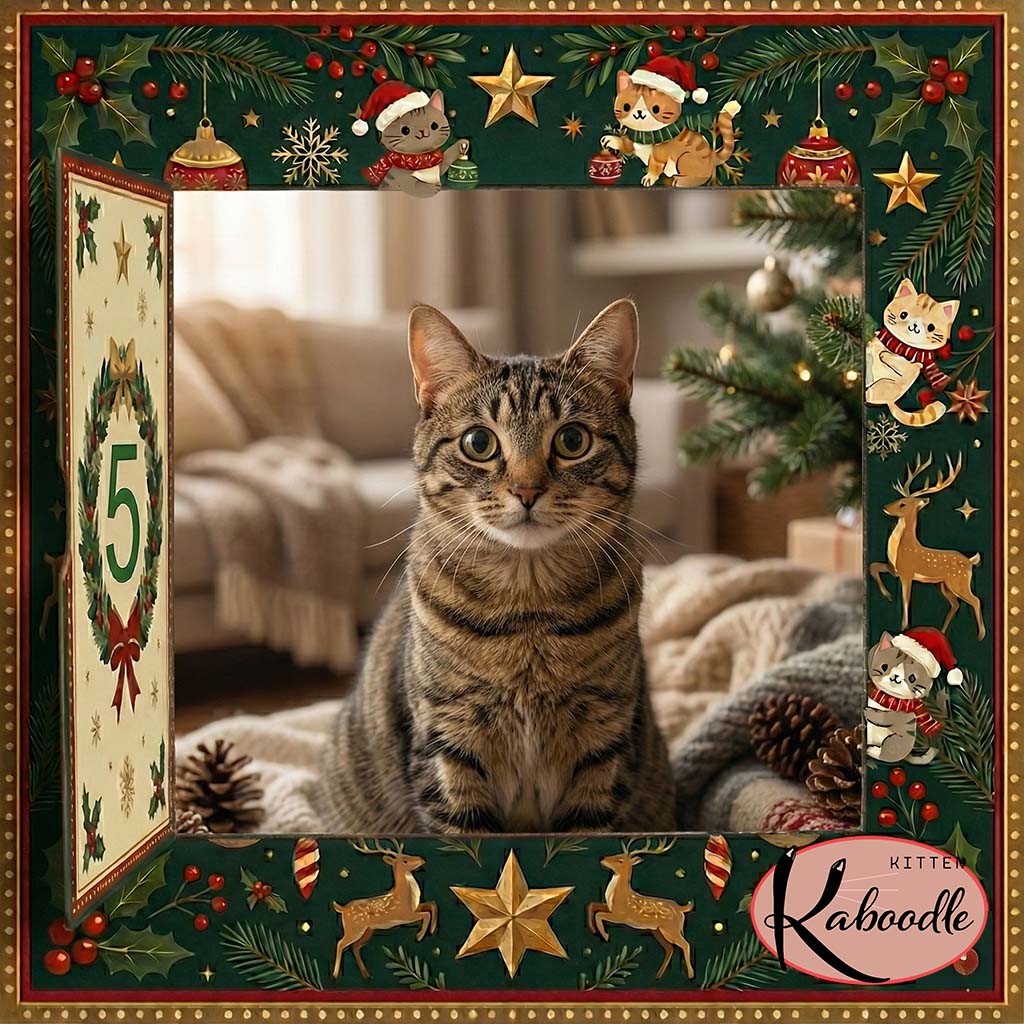
Cat behaviour
Short answer: Cats stare at their people for several reasons, including communication, curiosity, bonding, and sometimes concern. A calm, steady stare often reflects interest and connection, while a tense or unblinking stare can signal stress, pain, or a request for something important like food or help.
Written by Paul Denman, Cat Welfare Writer at Kitten Kaboodle
This guide offers general information and is not a substitute for veterinary advice.
Key points at a glance
- Cats use eye contact and staring as part of their communication toolkit with familiar people.
- A soft, slow blink or relaxed stare usually signals trust and comfort.
- Intense staring can mean your cat wants something, such as food, play, or access to a resource.
- Changes in how your cat looks at you can sometimes reflect pain or illness, especially if combined with other signs.
- Reading body language around the eyes helps you tell affectionate stares from stressed ones.
How your cat’s eyes shape their behaviour
Cats experience the world differently from us. Their eyes are adapted for low light, movement detection, and scanning their surroundings for sudden changes. A reflective layer at the back of the eye helps them use small amounts of light efficiently, which is one reason their eyes can seem so striking in dim rooms.
Because vision is so important to them, looking directly at something has weight. A stare is rarely random. When your cat focuses their eyes on you and holds that gaze, they are giving you a slice of their attention that could otherwise be used to monitor the rest of their environment. That choice matters.
When staring is a sign of trust and affection
In feline body language, a gentle gaze with slow blinks is one of the clearest signs of trust. Many guardians describe it as a “cat kiss”. Your cat looks at you, narrows their eyes, and blinks slowly. If you return the gesture, you are sending a friendly signal back.
Even without slow blinks, a calm, soft stare can show:
- Comfort: your cat feels safe enough to rest their eyes on you without needing to scan constantly for danger.
- Interest: they may simply be watching you move, talk, or do something that makes interesting sounds.
- Bonding: spending time near you, watching quietly, is one way cats participate in shared social time.
If the rest of their body looks loose and relaxed, with soft whiskers and a gently swaying tail or no tail movement at all, a stare is usually a friendly feature of your relationship.
When staring means “I want something”
Cats are excellent at noticing what works. If staring at you before mealtimes leads to a bowl being filled, they will remember. Over time, a pattern can form where they simply sit and look at you whenever they need or want something.
Your cat might stare at you to ask for:
- Food or treats: especially if you have responded to that stare in the past by going to the kitchen.
- Access: a door opened, a blanket lifted, or a preferred resting spot made available.
- Interaction: play, grooming, or a place on your lap.
This kind of stare is often paired with small head movements, tail twitches, or glances towards the thing they want. If you watch carefully, you may see your cat flick their eyes between you and the door, or you and the food cupboard, as a very clear hint.
When a stare might signal stress or pain
Not all stares are comfortable ones. Cats in pain or distress may look at their guardians more intensely, especially if they have learned that you sometimes help when they feel unwell. The challenge is that the stare alone is not enough to tell. You need to look at the bigger picture.
Contact your vet for advice if staring is combined with:
- Hunched posture, reluctance to move, or hiding.
- Changes in appetite, drinking, or litter tray habits.
- New vocalisations, such as crying or growling when touched.
- Squinting, blinking more than usual, or holding one eye partly closed.
Eye conditions themselves can also change how your cat looks at you. Redness, cloudiness, discharge, or sensitivity to light are all reasons to seek veterinary help promptly.
How staring differs between people and other cats
Between cats, direct staring is often a sign of tension or even a prelude to a conflict. Two cats holding eye contact with stiff bodies, upright tails, and very still postures may be in a stand off over space or resources.
With people, the meaning is softened by the context of the relationship. Your cat has usually learned that staring at you does not lead to a fight. Instead, it may lead to food, comfort, or attention. This is why a behaviour that might be confrontational between cats can be affectionate or neutral when directed at you.
Still, if your cat stares at another cat in the household with dilated pupils, slow tail swishes, and no blinking, it is wise to keep an eye on things. That scenario is very different from a calm stare at a trusted person on the sofa.
How to respond kindly to a staring cat
The best response depends on what you think your cat is trying to say. A few gentle guidelines usually help.
- For friendly, relaxed stares: offer a slow blink, speak softly, or pat the space next to you if they enjoy close contact. This reinforces the bond without overwhelming them.
- For “I want something” stares: decide which behaviours you want to encourage. It is fine to respond sometimes with food or play, but try to keep feeding to regular mealtimes so that constant staring does not become stressful for either of you.
- For tense or worried stares: give them space, observe carefully, and check for other signs of pain or anxiety. If anything feels off, call your vet.
What matters most is that your cat learns that you notice their attempts to communicate and respond in calm, predictable ways.
More Advent Calendar questions
A steady stare is just one of the many ways cats communicate with us. You might also enjoy these Advent entries:
Frequently asked staring questions
- Why does my cat stare at me while I sleep?
- Your cat may be checking on you, waiting for you to wake up, or anticipating breakfast. If their body language is relaxed, it is usually harmless curiosity and routine rather than anything sinister.
- Is my cat being aggressive when they stare at me?
- Aggression involves more than eye contact. Look for stiff posture, flattened ears, growling, or swishing tails. A calm, quiet stare without these signs is rarely aggressive, especially in a familiar, relaxed context.
- Should I stare back at my cat?
- Prolonged, unblinking eye contact can feel uncomfortable for some cats. A better option is to offer soft eye contact followed by a slow blink, then look slightly away. This sends a friendly, non threatening message.
Enjoy decoding your cat’s secret signals?
Continue your Advent journey through our Articles section,
and share your funniest “why are you staring at me?” stories with us on social media.
🐾 Let’s celebrate curious eyes, quiet moments, and the bonds behind every gaze. 🐾