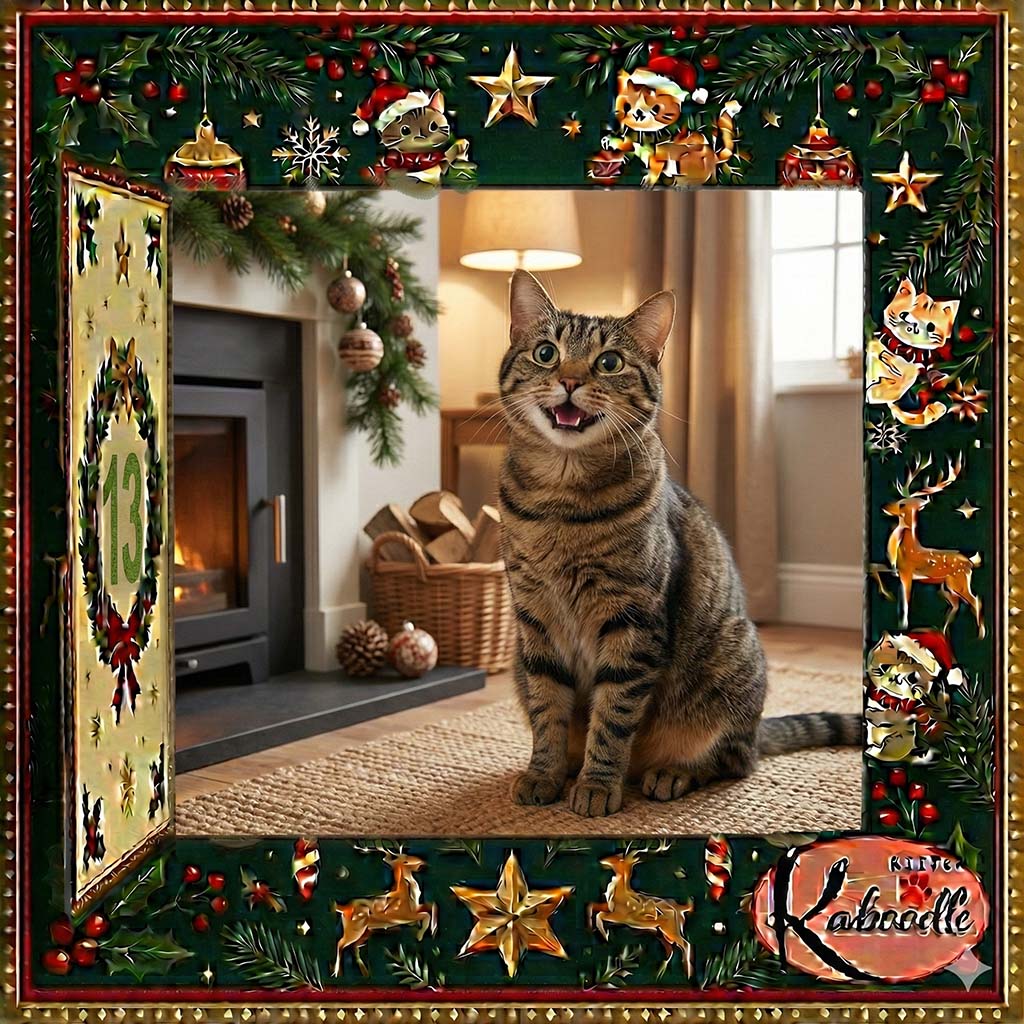
Cat behaviour
Short answer: Cats chirrup as a friendly, high energy greeting or as an expression of excitement and social connection. Chirruping comes from the throat rather than the mouth, which gives it its bright, rolling sound. It is often used to greet trusted people, encourage interaction, or express enthusiasm.
Written by Paul Denman, Cat Welfare Writer at Kitten Kaboodle
This guide offers general information and should not replace veterinary advice.
Key points at a glance
- Chirruping is usually a friendly greeting sound.
- The sound comes from the throat, creating a rolling trill rather than a typical meow.
- Chirruping often expresses excitement, affection, or anticipation.
- Mother cats use similar sounds to guide kittens, which shapes the behaviour in adulthood.
- Cats may chirrup at people, other cats, toys, or even birds outside the window.
Why chirrups sound different from meows
Meows are produced in the mouth, shaped by the tongue and lips. Chirruping, sometimes called trilling or chirping, is produced in the throat with a quick upward inflection.
This gives chirrups their soft, musical quality. Many guardians describe them as a mix between a purr, a meow, and a bird call.
A social sound rooted in kittenhood
Mother cats use trills to guide their kittens, signalling safety and encouraging them to follow. Adult cats may retain this behaviour and direct it towards people they trust.
When your cat chirrups at you, they may be inviting you to follow them, interact with them, or pay attention.
Chirruping often means excitement or anticipation
Cats chirrup when:
- You come home.
- You wake up in the morning.
- They expect food or play.
- They want to show you something.
The sound is upbeat and energetic, reflecting positive emotion.
Chirruping at birds or wildlife
Some cats chirrup or chatter at birds outside the window. This behaviour may reflect frustration, excitement, or rehearsal of hunting movements.
The sound often differs slightly from social chirruping, but both stem from instinctive communication.
Why do some cats chirrup more than others?
Every cat has a unique communication style. Some are naturally more vocal, while others prefer silent signals such as tail movements and slow blinks.
Cats who chirrup frequently tend to be:
- Friendly and socially confident.
- Comfortable in their environment.
- Excitable or playful.
Age, temperament, and past experiences all influence how vocal a cat becomes.
How to respond to your cat’s chirrups
Chirruping is almost always positive. You can respond by:
- Greeting them softly in return.
- Offering gentle interaction.
- Following them if they seem to be inviting you somewhere.
- Engaging in play if the context fits.
Responding to chirrups helps nurture social bonding and trust.
More Advent Calendar questions
Chirruping is a wonderful example of feline communication. Continue exploring with more festive questions:
- Why do cats purr?
- Why does my cat chirp at birds?
- Why does my cat knead me?
- Why does my cat follow me to the toilet?
- Why does my cat stare at me?
- Why does my cat sleep on my head?
- Why does my cat suddenly run around the house at night?
- Why do cats love boxes so much?
- Do cats recognise their names?
- Why does my cat bring me gifts?
- What does my cat’s tail actually mean?
- Why does my cat sit on my laptop?
Frequently asked chirrup questions
- Is chirruping the same as trilling?
- Yes. Both terms refer to the same friendly, rolling vocal sound made in the throat.
- Why does my cat chirrup but rarely meow?
- Some cats simply prefer chirrups as a social signal. It may reflect a confident personality or early learning experiences.
- Is chirruping ever a sign of illness?
- Chirruping is usually healthy and positive. If your cat’s vocalisations change suddenly or become strained, it is worth speaking to your vet.
Enjoy exploring how your cat communicates?
Continue your Advent journey through our Articles section,
and share your cutest chirrup videos with us on social media.
🐾 Here is to trills, chirps, and every bright little greeting. 🐾