Cat behaviour
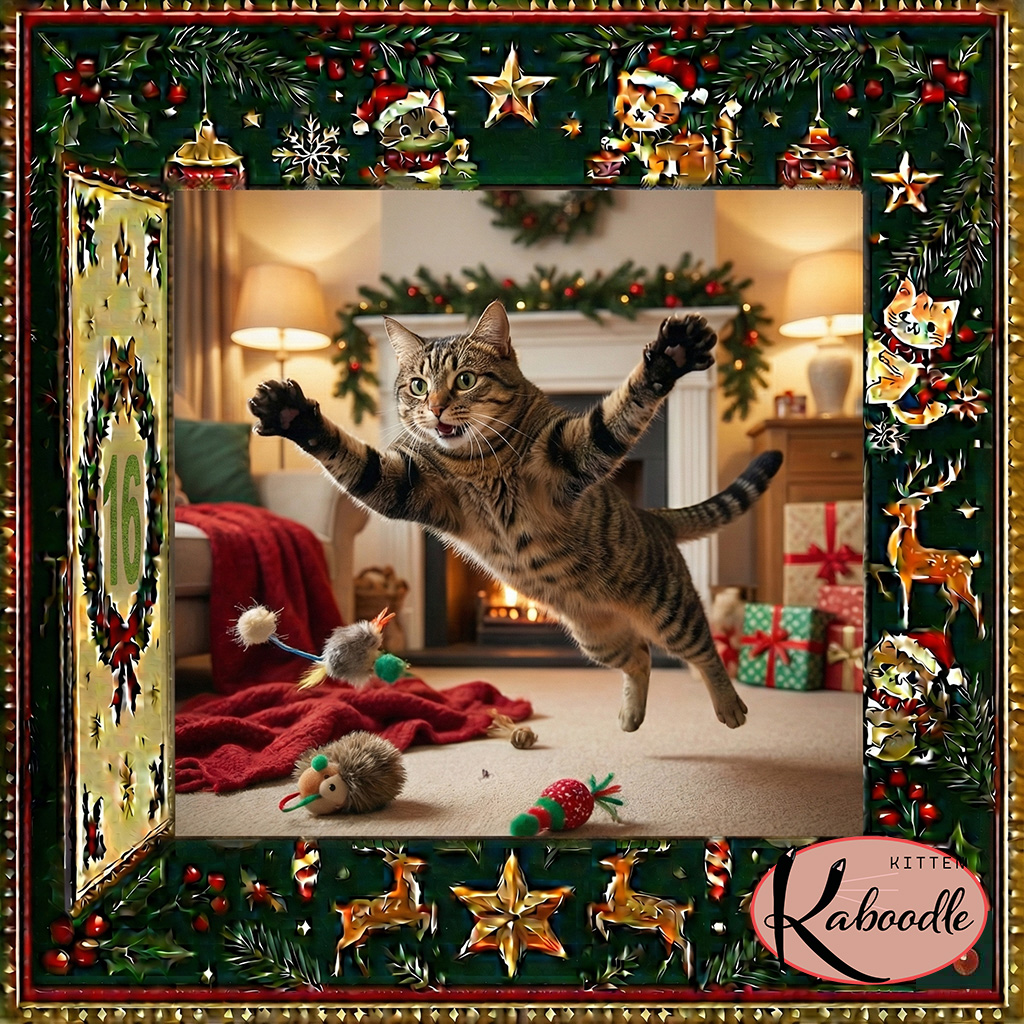
Short answer: Zoomies are sudden bursts of energy where cats race, leap, and spin around the home. They are usually normal, reflecting natural hunting cycles, play needs, and stored up energy. Most of the time zoomies are harmless and even healthy, as long as your cat has space and does not seem distressed or in pain.
Written by Paul Denman, Cat Welfare Writer at Kitten Kaboodle
This guide provides general information and is not a substitute for veterinary advice.
Key points at a glance
- Zoomies are also known as frenetic random activity periods.
- They are especially common in young and indoor cats.
- Zoomies often appear after naps, in the evening, or after using the litter tray.
- They reflect natural hunting and play behaviour compressed into a short burst.
- Most zoomies are normal, but sudden changes or signs of pain deserve a vet check.
What exactly are zoomies?
Zoomies are short periods where your cat suddenly dashes from room to room, leaps onto furniture, or performs dramatic sideways hops. Behaviourists sometimes call these frenetic random activity periods.
To us they look chaotic. To a cat they are a quick way to release energy and run through parts of the hunting sequence that indoor life does not always provide.
Natural hunters in an indoor world
In a more natural setting, cats would stalk, chase, pounce, and climb many times a day. These activities use bursts of speed and strength.
Indoor life is often safer, but it can be less physically demanding. Zoomies are one way a cat squeezes that unused physical drive into a few intense minutes.
Why zoomies often happen in the evening
Cats are crepuscular, which means they are naturally most active around dawn and dusk. Many guardians notice that zoomies peak just as they are trying to relax for the night.
From your cat’s perspective, this is prime hunting time. If they do not have an outlet for that drive, it may explode into wild laps around the sofa.
Post nap and post litter tray zoomies
Zoomies often happen just after a nap. Your cat wakes with a full tank of energy and needs to move. A fast sprint is an efficient way to shake off drowsiness and stretch muscles.
Some cats also zoom after using the litter tray. This may be a combination of relief, instinct to move away from toileting areas, and a short burst of excitement.
Zoomies as stress relief
Movement can also help cats manage mild stress or pent up arousal. If something unsettling has happened, such as a strange noise outside or a tense encounter with another pet, your cat may suddenly dash around to release that built up energy.
In these cases, watch for other signs of anxiety, such as hiding, overgrooming, or changes in appetite, and speak to your vet if you are concerned.
How to make zoomies safer and more fun
You do not need to stop zoomies, but you can shape the environment to reduce risk and keep everyone calmer.
- Schedule play sessions: use wand toys and chase games, especially in the evening, to help your cat burn off energy in a controlled way.
- Clear runways: keep clutter off the main paths your cat likes to use when they sprint.
- Offer vertical options: cat trees and shelves allow climbing and jumping that feel more natural than bouncing off furniture.
When zoomies might need a closer look
Most zoomies are normal, especially in kittens and young adults. However, it is worth checking with a vet if:
- The behaviour appears suddenly in an older cat.
- Your cat cries out, licks one area obsessively, or seems to be running away from discomfort.
- Zoomies are followed by limping, panting, or distress.
In these cases, what looks like zoomies could be a response to pain, itchiness, or another medical issue.
Supporting a healthy zoomie routine
Think of zoomies as part of a bigger picture. Your cat will feel more settled if they have:
- Regular interactive play sessions.
- Opportunities to climb, scratch, and hide.
- A predictable daily routine, including feeding times and quiet periods.
When physical and emotional needs are met, zoomies tend to be shorter, less frantic, and more clearly just playful fun.
More Advent Calendar questions
Zoomies are one of the most entertaining parts of living with cats. Explore more festive feline mysteries with these entries:
- Why do cats purr?
- Why does my cat chirp at birds?
- Why does my cat knead me?
- Why does my cat follow me to the toilet?
- Why does my cat stare at me?
- Why does my cat sleep on my head?
- Why does my cat suddenly run around the house at night?
- Why do cats love boxes so much?
- Do cats recognise their names?
- Why does my cat bring me gifts?
- What does my cat’s tail actually mean?
- Why does my cat sit on my laptop?
- Why do some cats chirrup instead of meow?
- Does my cat love me?
- Why does my cat sunbathe in the warmest spot?
Frequently asked zoomie questions
- Are zoomies normal in adult cats?
- Yes. While they are most common in kittens and young adults, many healthy adult cats still have occasional zoomie bursts, especially in the evening.
- Should I try to stop my cat’s zoomies?
- There is usually no need to stop them. Focus on safety by keeping hazards out of the way and offering regular play so that your cat can express their energy more predictably.
- Can zoomies be a sign of a medical problem?
- Usually zoomies are normal. However, if they appear suddenly in an older cat, come with signs of pain or distress, or are very different from your cat’s usual behaviour, a vet check is a good idea.
Love watching your cat do mad laps around the living room?
Continue your Advent journey through our Articles section,
and tell us your funniest zoomie stories on social media.
🐾 Here is to skidding paws, sofa sprints, and joyful bursts of feline energy. 🐾