Cat behaviour
Short answer: Many cats can form secure, affectionate bonds with their guardians that look very much like love. They show this through choosing your company, seeking contact, slow blinking, relaxed body language near you, and greeting you happily. It may not be “love” in a human sense, but it is a genuine emotional connection.
Written by Paul Denman, Cat Welfare Writer at Kitten Kaboodle
This guide provides general information and is not a substitute for veterinary advice.
Key points at a glance
- Cats form secure attachments to familiar people and places.
- They show affection through choice of proximity, touch, and shared routines.
- Slow blinks, purring near you, and gentle head bumps are strong signs of trust.
- Every cat has a different “love language” depending on personality and history.
- Respecting boundaries and meeting welfare needs helps love grow safely.
What science tells us about cats and attachment
Studies looking at how cats respond to their guardians suggest that many cats show secure attachment patterns. In simple terms, they feel safer and more relaxed when their trusted person is present, and show mild distress when they are absent.
This does not prove that cats experience love in the same way humans do, but it does show that close, emotionally significant bonds are very real for them.
How cats show affection in everyday life
While some cats are bold and demonstrative, others show love in quieter ways. Common signs include:
- Choosing to be near you: sitting beside you, on your bed, or in the same room even when they have other options.
- Greeting you: coming to the door when you return, lifting their tail upright, or chirruping as you walk in.
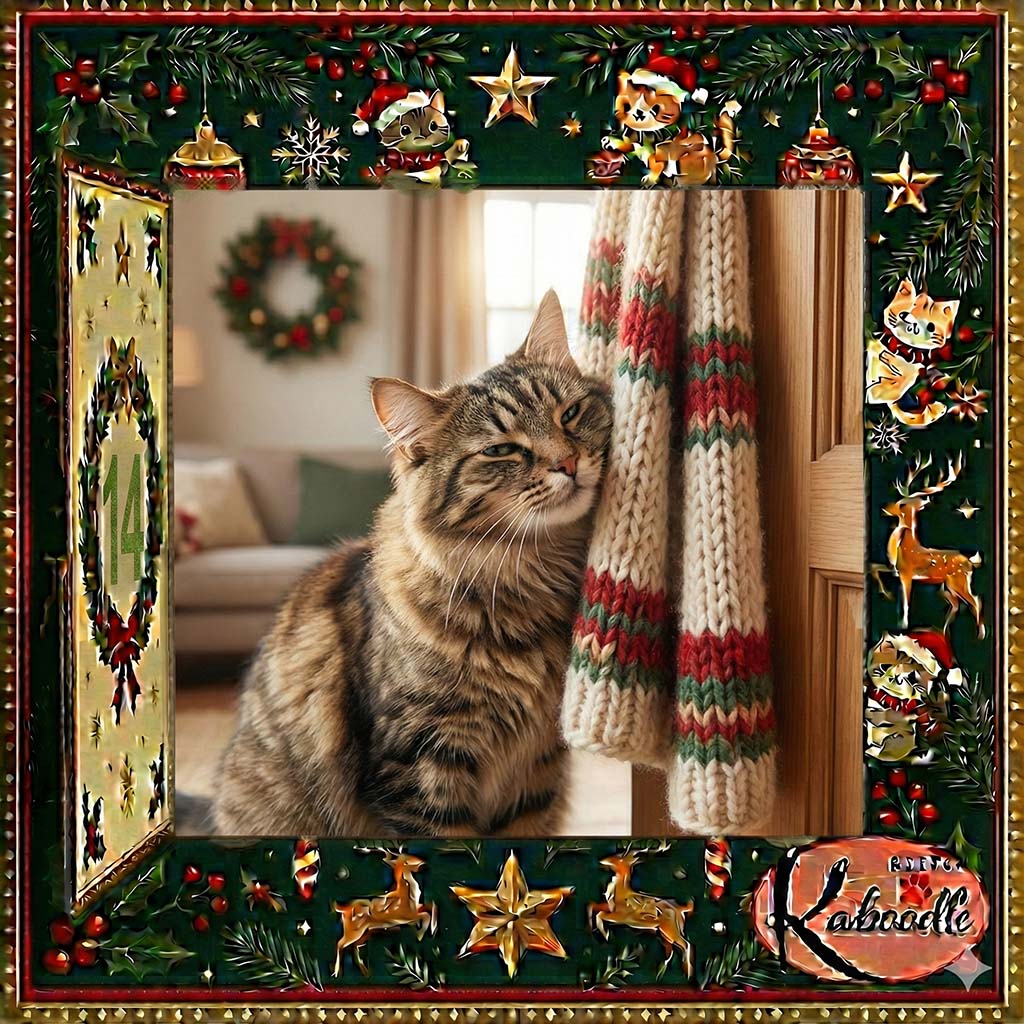
- Touch and leaning: gentle head bumps, cheek rubs, or leaning their body against you.
- Relaxing fully: sleeping deeply near you, exposing vulnerable areas such as their side or belly in your presence.
Slow blinks and soft eyes
One of the clearest signs of feline affection is the slow blink. When a cat meets your gaze, then slowly closes and opens their eyes, they are showing trust and calm.
You can slow blink back to them. Many cats respond in kind, creating a quiet, shared moment that strengthens your bond.
Purring, kneading, and quiet companionship
Purring can mean several things, including contentment, communication, or even self soothing. When your cat purrs while resting near you, kneads gently on your lap, or settles by your side, it is often a sign of comfort and connection.
Some cats do not enjoy prolonged petting but still choose to sit nearby. Their love language may be closeness without touch.
Love may look different for anxious or rescue cats
Cats with difficult histories, poor socialisation, or previous negative experiences may find it harder to show affection openly. For them, small shifts can be huge milestones.
Love might look like:
- Moving from hiding to resting in the same room.
- Accepting treats from your hand.
- Allowing gentle touch for a few seconds.
Patience and consistency help these cats feel safe enough to express affection in their own time.
Respect is a powerful form of love
Cats thrive when their needs are respected. That includes:
- Offering choice and control over interactions.
- Providing safe hiding places and high resting spots.
- Using gentle, reward based handling.
- Ensuring good veterinary care and a predictable routine.
Meeting these needs builds trust. Trust is the foundation on which feline affection grows.
Checking in with your own expectations
It can help to ask whether you are expecting your cat to behave more like a dog or a human. Cats are expressive, but their signals are often subtle and spread across the whole body, not just their voice or their tail.
When you learn to read those quieter signs, you may realise your cat has been telling you “I feel safe with you” for a long time.
More Advent Calendar questions
Love and attachment weave through many aspects of feline life. Continue exploring with more festive cat questions:
- Why do cats purr?
- Why does my cat chirp at birds?
- Why does my cat knead me?
- Why does my cat follow me to the toilet?
- Why does my cat stare at me?
- Why does my cat sleep on my head?
- Why does my cat suddenly run around the house at night?
- Why do cats love boxes so much?
- Do cats recognise their names?
- Why does my cat bring me gifts?
- What does my cat’s tail actually mean?
- Why does my cat sit on my laptop?
- Why do some cats chirrup instead of meow?
Frequently asked “love” questions
- Does my cat miss me when I am gone?
- Many cats notice changes in routine and may appear quieter, more withdrawn, or more clingy after you return. This suggests that your presence is important to them.
- Why does my cat only sit near me, not on my lap?
- Some cats simply prefer a little space. Choosing to stay close, even without direct contact, is still a sign of trust and affection.
- Can I build a stronger bond with my cat?
- Yes. Gentle play, predictable routines, respectful handling, and allowing your cat to initiate contact all help deepen your relationship.
Enjoy uncovering the quiet ways your cat shows they care?
Continue your Advent journey through our Articles section,
and tell us how your cat shows you their version of love.
🐾 Here is to gentle head bumps, soft purrs, and every slow blink that says “I feel safe with you”. 🐾