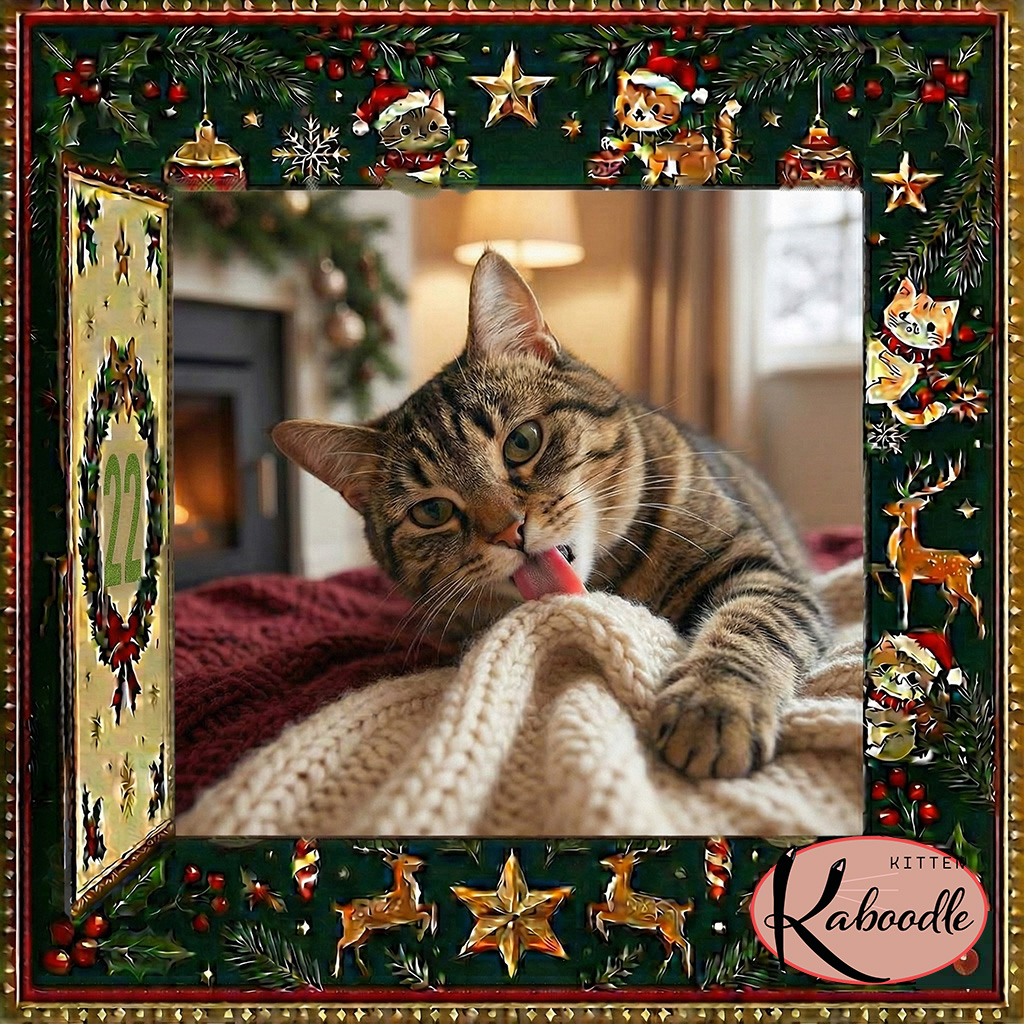
Cat behaviour
Short answer: When your cat grooms you, they are usually treating you as part of their social group. Licking and nibbling can signal affection, bonding, and shared scent. It may also be a way to seek attention, soothe themselves, or explore tastes on your skin. Occasional grooming is normal and often a compliment, but intense or obsessive licking can hint at stress or over attachment.
Written by Paul Denman, Cat Welfare Writer at Kitten Kaboodle
This guide provides general information and is not a substitute for veterinary advice.
Key points at a glance
- Grooming between cats is called allogrooming and strengthens social bonds.
- Cats that groom you are often signalling trust and affiliation.
- Grooming also spreads shared group scent, which helps cats feel secure.
- Some cats lick to seek attention or to self soothe when stressed.
- Very persistent or anxious licking may need a gentle behaviour or veterinary check.
Allogrooming and feline friendships
In multi cat groups, friendly cats often groom one another around the head and neck. This allogrooming is not only about cleanliness. It is a social behaviour that reinforces bonds and reduces tension.
When your cat grooms you, they may simply be extending this natural social habit to a member of their chosen family.
Sharing a group scent
Cats rely heavily on scent to understand who belongs in their social circle. By licking you, rubbing on you, and sleeping on your clothes, they help blend your scent with theirs.
This mixed scent tells your cat, and sometimes other cats, that you are part of the same safe social group.
Affection, comfort, and routine
Many cats develop small grooming rituals with their guardians. They may lick your hand when you sit down, your arm in bed, or your hair when you lean close.
These repeated patterns feel predictable and comforting to them. For some cats, grooming you may be as soothing as being stroked.
Grooming as attention seeking
If licking reliably makes you talk, laugh, or stroke them, your cat may use grooming as a way to initiate interaction.
This is especially likely if grooming starts when you are busy, such as using a laptop or reading, and stops once you give them focused attention.
The taste of skin, lotions, and food
Cats have a strong sense of smell and may be drawn to traces of food, salt from your skin, or scented products such as moisturisers.
While occasional licks are usually harmless, it is wise to keep strongly perfumed or medicated products away from areas your cat is likely to groom.
When grooming is about stress or self soothing
Licking can release calming chemicals in the brain. Some cats use grooming as a coping strategy when they feel uncertain, bored, or anxious.
If your cat grooms you intensely, especially in specific stressful situations, it may be their way of seeking comfort and reassurance.
How rough tongues feel to human skin
A cat’s tongue is covered in tiny hook shaped structures called papillae. These help them clean their fur and remove loose hair. On human skin, they can feel surprisingly scratchy.
Your cat is not trying to scratch you, they are simply using the same tool they use for grooming themselves and other cats.
What if the grooming hurts or becomes too much?
You are allowed to set boundaries, even with affectionate behaviours. If grooming becomes painful or constant:
- Gently redirect your cat onto a blanket or toy.
- Offer a short play session or a food puzzle as an alternative activity.
- Avoid punishment. Your cat is not trying to misbehave, they are communicating in the only way they know how.
Over time, they can learn that other behaviours work better to gain your attention.
When to seek extra advice
Speak to your vet or a qualified behaviourist if:
- Grooming you is frantic or distressed rather than calm.
- Your cat also overgrooms their own body, causing hair thinning or skin irritation.
- There have been recent changes at home that might be increasing their stress.
Addressing the root cause of anxiety or discomfort will help both you and your cat feel more settled.
More Advent Calendar questions
Grooming is one of the clearest signs that cats see us as part of their social world. Keep exploring festive feline mysteries here:
- Why do cats purr?
- Why does my cat chirp at birds?
- Why does my cat knead me?
- Why does my cat follow me to the toilet?
- Why does my cat stare at me?
- Why does my cat sleep on my head?
- Why does my cat suddenly run around at night?
- Why do cats love boxes so much?
- Do cats recognise their names?
- Why does my cat bring me gifts?
- What does my cat’s tail actually mean?
- Why does my cat sit on my laptop?
- Why do some cats chirrup instead of meow?
- Does my cat love me?
- Why does my cat sunbathe in the warmest spot?
- Why do cats get the zoomies?
- Why does my cat follow me everywhere?
- Why does my cat roll over and show their belly?
- Why does my cat knock things off tables?
- What makes cats obsessed with laser toys?
- Why do cats squeeze into tiny spaces?
Frequently asked grooming questions
- Why does my cat only groom me and not other family members?
- Cats form selective bonds. If they groom you but not others, it likely means you are a key attachment figure in their social world.
- Is it OK to let my cat lick my skin?
- Occasional gentle licking is usually fine, though it can be uncomfortable. Avoid letting your cat lick areas with strong perfumes, medicated creams, or cleaning products.
- When does grooming become a problem?
- Grooming is a concern when it becomes intense, interferes with daily life, or is linked to other signs of stress or overgrooming on your cat’s own body. In those cases, seek veterinary advice.
Does your cat wash your hands, your hair, or even your eyebrows?
Continue your Advent journey through our Articles section,
and tell us how your feline friend shows affection through grooming.
🐾 Here is to rough tongues, gentle licks, and the quiet honour of being part of a cat’s chosen family. 🐾