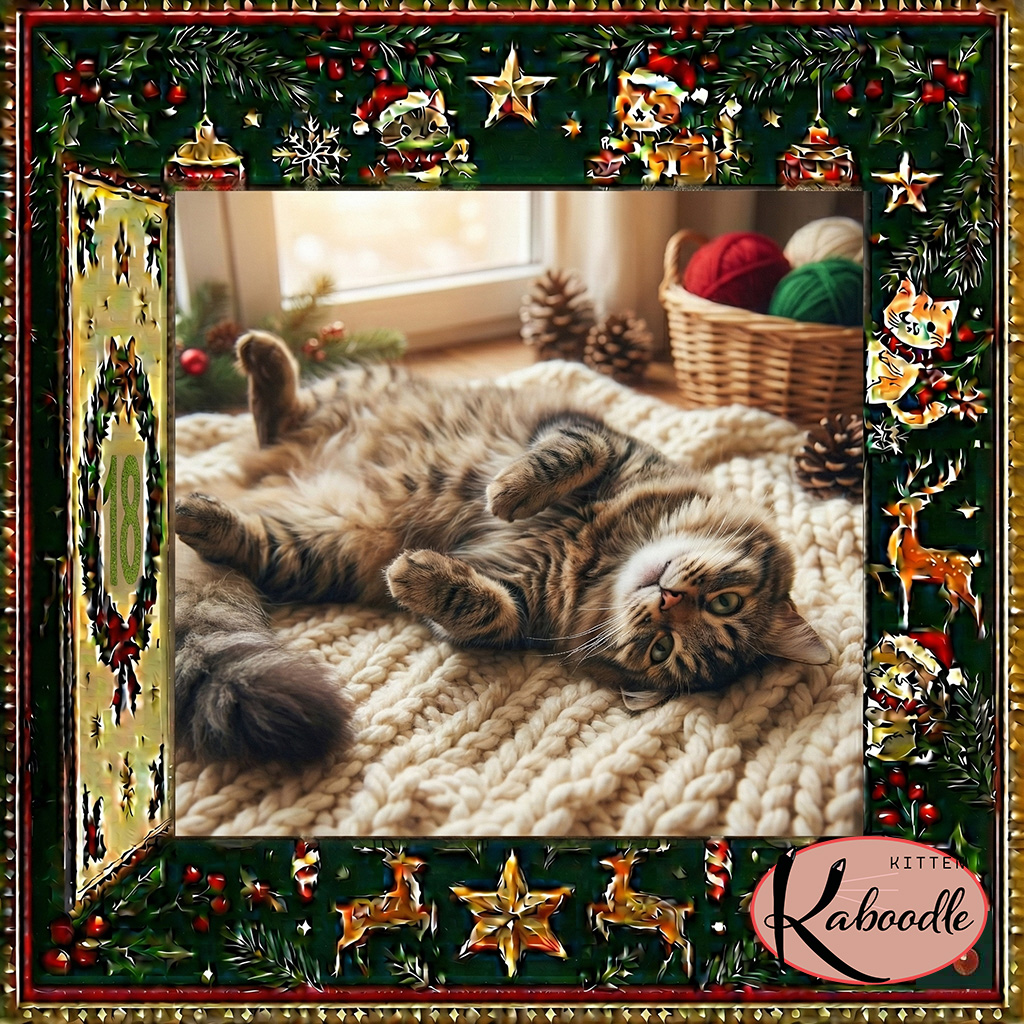
Cat behaviour
Short answer: When a cat rolls over and shows their belly, they are usually displaying trust, relaxation, or inviting gentle social interaction. However, it is rarely an invitation for a tummy rub. The belly is a vulnerable area, and many cats will swat or grab if touched there. Context and body language tell you whether the behaviour reflects comfort, playfulness, or defensive readiness.
Written by Paul Denman, Cat Welfare Writer at Kitten Kaboodle
This guide provides general information and is not a substitute for veterinary advice.
Key points at a glance
- Belly displays often show trust and comfort.
- Cats may roll over to invite play or attention.
- The belly is a vulnerable area, so many cats guard it carefully.
- Some belly shows are defensive postures, not affectionate ones.
- Reading the rest of the body tells you what the behaviour means.
A sign of trust and emotional safety
When a cat exposes their belly, they reveal one of the most vulnerable parts of their body. A relaxed belly display usually means your cat feels safe in your presence.
A calm posture, slow blink, and loose limbs all support this interpretation. These cats are not inviting touch. They are simply sharing a moment of contentment near someone they trust.
Why most cats do not want belly rubs
Many guardians assume that a cat showing their belly wants a tummy rub, but most cats dislike direct contact there. The belly protects vital organs, and instinct encourages cats to guard this area carefully.
Touching the belly may trigger grabbing, biting, or bunny kicking, even in otherwise affectionate cats.
Rolling over as a play invitation
Some cats roll over when excited or playful. They may swish their tail, flick their ears forward, or bat at toys while lying on their back.
Playful belly rolls look lively and energetic rather than soft and relaxed. These cats may enjoy chasing a wand toy or lightly tapping your hand, but they still may not tolerate belly touch.
Belly displays can also signal defensive readiness
Not all exposed bellies are friendly. In some cases, a cat will roll onto their back in preparation to defend themselves using all four paws.
Signs that the belly display is defensive include:
- Stiff limbs.
- Pupils dilated.
- Tail flicking sharply.
- Ears flattened or swivelling.
In this posture your cat is ready to grab and kick if needed.
When cats show their belly to greet you
Some cats flop onto the floor when their guardian enters the room. This may reflect friendly anticipation or a desire for attention or interaction.
It can also be a way of releasing excitement. A joyful belly flop often comes with chirrups or a quick dash if you respond happily.
Personality matters
Some cats rarely show their belly, while others spend half the day lying like a fluffy starfish. Individual temperament, early socialisation, and past experiences all influence how comfortable a cat feels exposing vulnerable areas.
Respecting each cat’s boundaries builds trust and strengthens your bond.
So should you touch the belly?
Usually no. Unless your cat has clearly shown that they enjoy belly rubs (a rare but real group), it is safer to pet areas they commonly prefer, such as:
- The top of the head.
- Under the chin.
- The cheeks.
- Along the back.
Watching your cat’s body language closely helps you understand their comfort zone.
More Advent Calendar questions
Belly displays blend trust, instinct, and communication. Continue exploring festive feline mysteries with these entries:
- Why do cats purr?
- Why does my cat chirp at birds?
- Why does my cat knead me?
- Why does my cat follow me to the toilet?
- Why does my cat stare at me?
- Why does my cat sleep on my head?
- Why does my cat suddenly run around the house at night?
- Why do cats love boxes so much?
- Do cats recognise their names?
- Why does my cat bring me gifts?
- What does my cat’s tail actually mean?
- Why does my cat sit on my laptop?
- Why do some cats chirrup instead of meow?
- Does my cat love me?
- Why does my cat sunbathe in the warmest spot?
- Why do cats get the zoomies?
- Why does my cat follow me everywhere?
Frequently asked belly display questions
- Why does my cat show me their belly but then attack when I touch it?
- Belly exposure often signals trust but not an invitation for touch. Instinct encourages cats to guard their vulnerable underside, which can trigger defensive grabbing if touched unexpectedly.
- Is a belly show always affectionate?
- No. Some belly displays are playful or defensive. Look for relaxed muscles, soft eyes, and loose limbs to identify a friendly one.
- How should I respond when my cat rolls over?
- Greet them softly, offer a chin or cheek rub, or engage in gentle play if they seem energetic. Avoid touching the belly unless your cat has clearly shown they enjoy it.
Does your cat roll over like a fluffy starfish?
Continue your Advent journey through our Articles section,
and share your funniest belly flop photos with our community.
🐾 Here is to soft tummies, gentle trust, and every adorable feline roll. 🐾