Cat behaviour
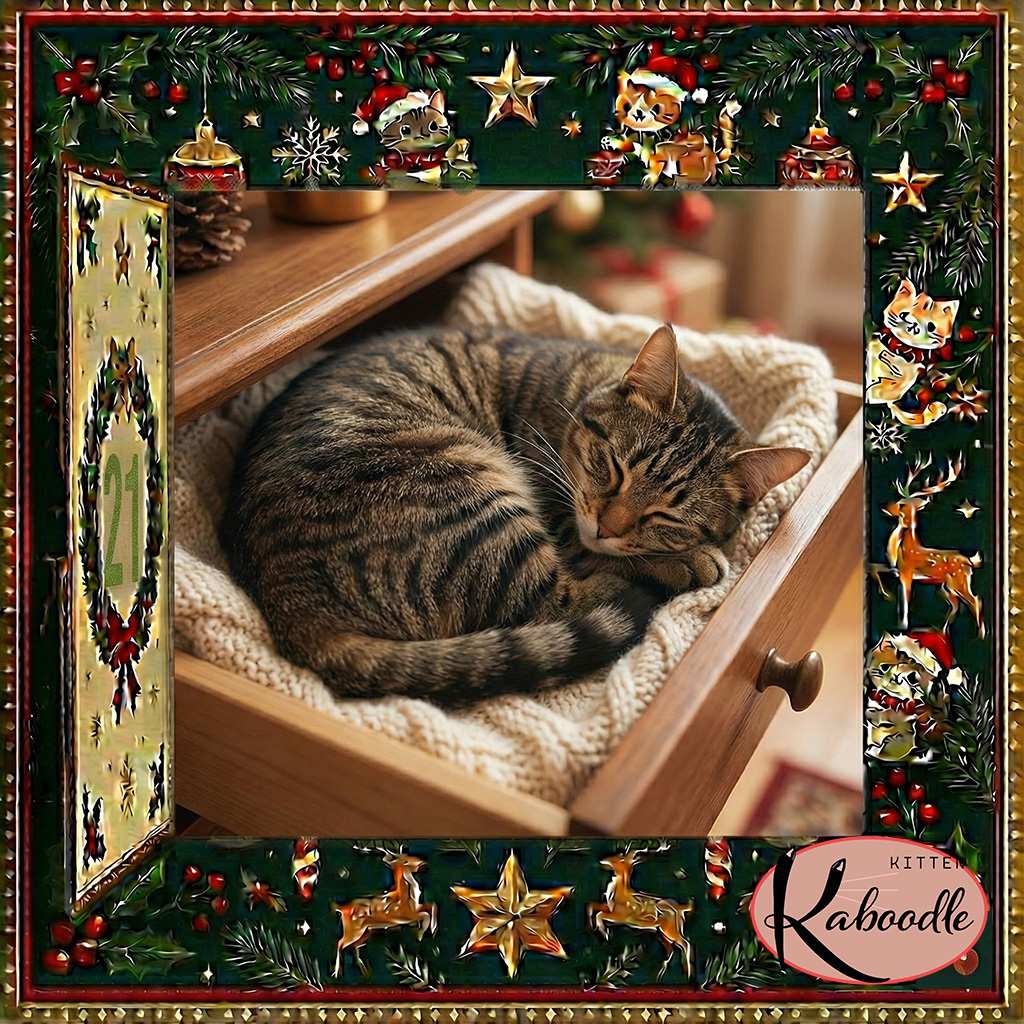
Short answer: Cats squeeze into tiny spaces to feel safe, warm, secure, and hidden. Enclosed spaces mimic the dens and sheltered resting spots cats seek in nature, where being out of sight helps them relax and conserve energy. Boxes, baskets, laundry piles, and even too small cardboard trays all offer physical security and emotional comfort.
Written by Paul Denman, Cat Welfare Writer at Kitten Kaboodle
This guide provides general information and is not a substitute for veterinary advice.
Key points at a glance
- Cats feel safer in enclosed, hidden spaces.
- Small spaces help regulate warmth and conserve energy.
- Boxes reduce stress and support emotional wellbeing.
- Cats use tiny spaces to avoid threats or overstimulation.
- Cats perceive “just about fits” as “perfectly fits”.
A natural instinct for safety
In the wild, cats rest in dens, bushes, and other enclosed areas where predators cannot easily spot them. Domestic cats retain this instinct and will naturally seek places where they feel protected on all sides.
A box or cupboard offers a secure vantage point with minimal exposure. From here, a cat can relax fully without needing to monitor every sound or shadow.
Small spaces reduce stress
Studies show that cats provided with boxes settle more quickly in new environments and show lower stress levels. The sense of enclosure helps them feel hidden, sheltered, and able to decompress.
Tiny spaces act like a pressure release valve for worried cats, giving them somewhere predictable to retreat to.
The warmth factor
Cats enjoy warmth far more than humans do. A small, enclosed area traps heat around their body, creating the perfect micro climate for a nap.
This is why your cat squeezes into:
- washing baskets,
- open drawers,
- sunny windowsills,
- radiator beds,
- and even slightly too small boxes you swear they cannot fit into.
A way to avoid overstimulation
Cats have sensitive senses. Busy environments, fast movements, or loud noises can encourage them to withdraw to a quieter nook. A tiny space dulls the sensory load and helps them relax.
This is especially common in multi cat homes or homes with children or guests.
Boxes encourage play and exploration
Many cats love ambushing toys or other cats from inside a box. Enclosed spaces offer a feeling of confidence and control, making play more exciting.
The sides of the box give them stability and allow them to focus entirely on the pounce.
Why cats love spaces that seem too small
Cats are more flexible than they appear. Their shoulders are not rigidly connected like ours, which lets them compress their bodies to fit into tight areas.
To your cat, a space that appears too small may be the perfect combination of snug, warm, and protective.
How to support your cat’s tiny space preferences
You can make your cat’s environment more comforting by offering:
- cardboard boxes placed in quiet areas,
- hooded or cave style beds,
- access to cupboards or safe hideaways,
- blanket lined baskets or drawers,
- high up hiding spots where they feel secure.
Providing choices helps your cat regulate their emotional and physical wellbeing.
More Advent Calendar questions
Tiny spaces are just one small piece of the feline puzzle. Continue your festive journey here:
- Why do cats purr?
- Why does my cat chirp at birds?
- Why does my cat knead me?
- Why does my cat follow me to the toilet?
- Why does my cat stare at me?
- Why does my cat sleep on my head?
- Why does my cat suddenly run around at night?
- Why do cats love boxes so much?
- Do cats recognise their names?
- Why does my cat bring me gifts?
- What does my cat’s tail actually mean?
- Why does my cat sit on my laptop?
- Why do some cats chirrup instead of meow?
- Does my cat love me?
- Why does my cat sunbathe in the warmest spot?
- Why do cats get the zoomies?
- Why does my cat follow me everywhere?
- Why does my cat roll over and show their belly?
- Why does my cat knock things off tables?
- What makes cats obsessed with laser toys?
Frequently asked tiny space questions
- Why does my cat choose the smallest box in the house?
- Cats prefer snug spaces that offer compression, warmth, and a feeling of safety. A tiny box supports these needs perfectly.
- Is hiding normal for cats?
- Yes. Hiding is a natural behaviour that helps cats regulate stress. Frequent or prolonged hiding may indicate a problem, but occasional hiding is healthy.
- Should I let my cat hide when guests visit?
- Absolutely. Allowing cats to retreat reduces stress and helps them feel secure. Never force social interaction.
Does your cat fit themselves into impossibly small spaces?
Continue your Advent journey through our Articles section,
and share your favourite tiny space photos with our community.
🐾 Here is to boxes, baskets, cubbyholes, and every snug nook a cat can claim. 🐾